Woodcraft & Carving
10 min read
How to Choose Your First Whittling Knife
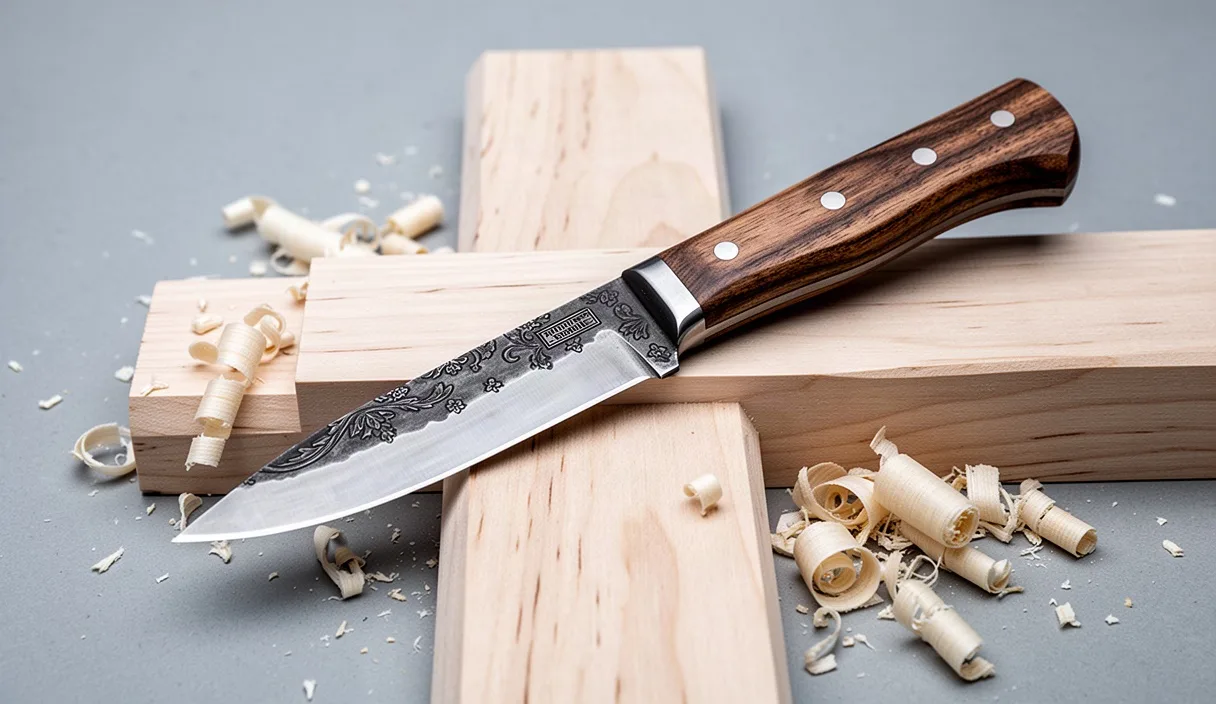
Compare blade geometries and handle ergonomics for comfort during long carving sessions. Find out why short blades offer more safety and control.
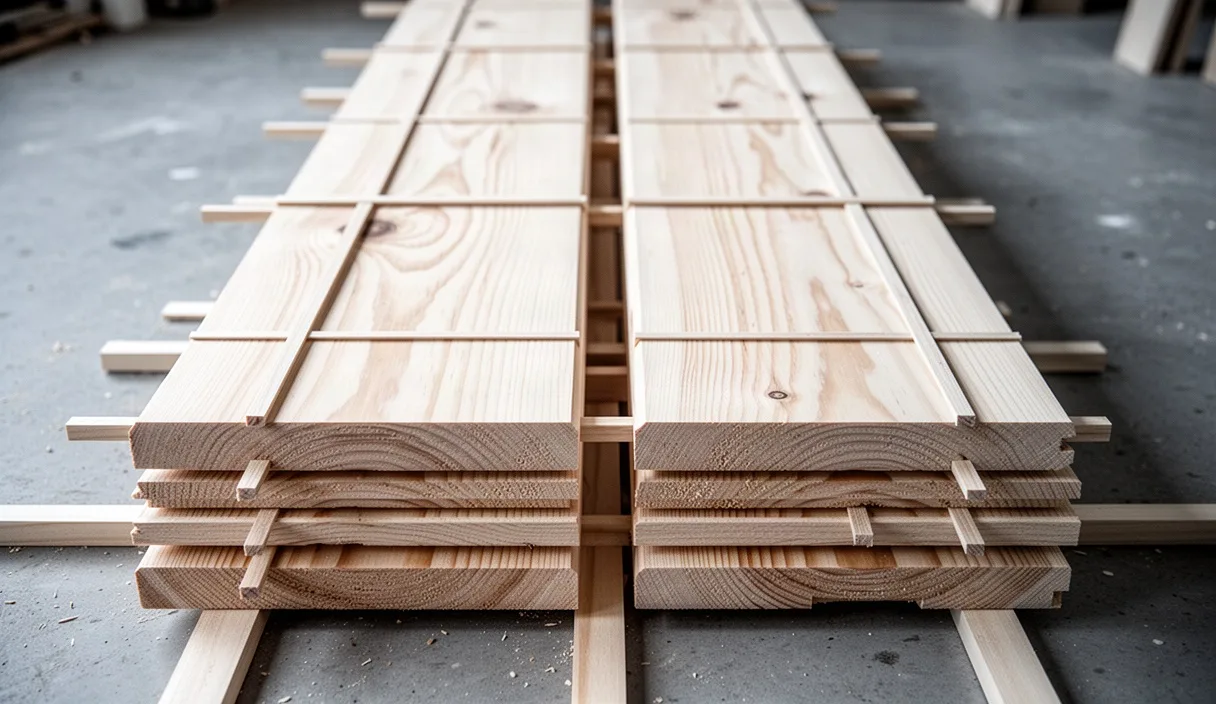
Learn how moisture content affects wood cells and causes boards to bow or twist. Discover simple drying and storage habits that keep your stock flat.
Compare blade geometries and handle ergonomics for comfort during long carving sessions. Find out why short blades offer more safety and control.
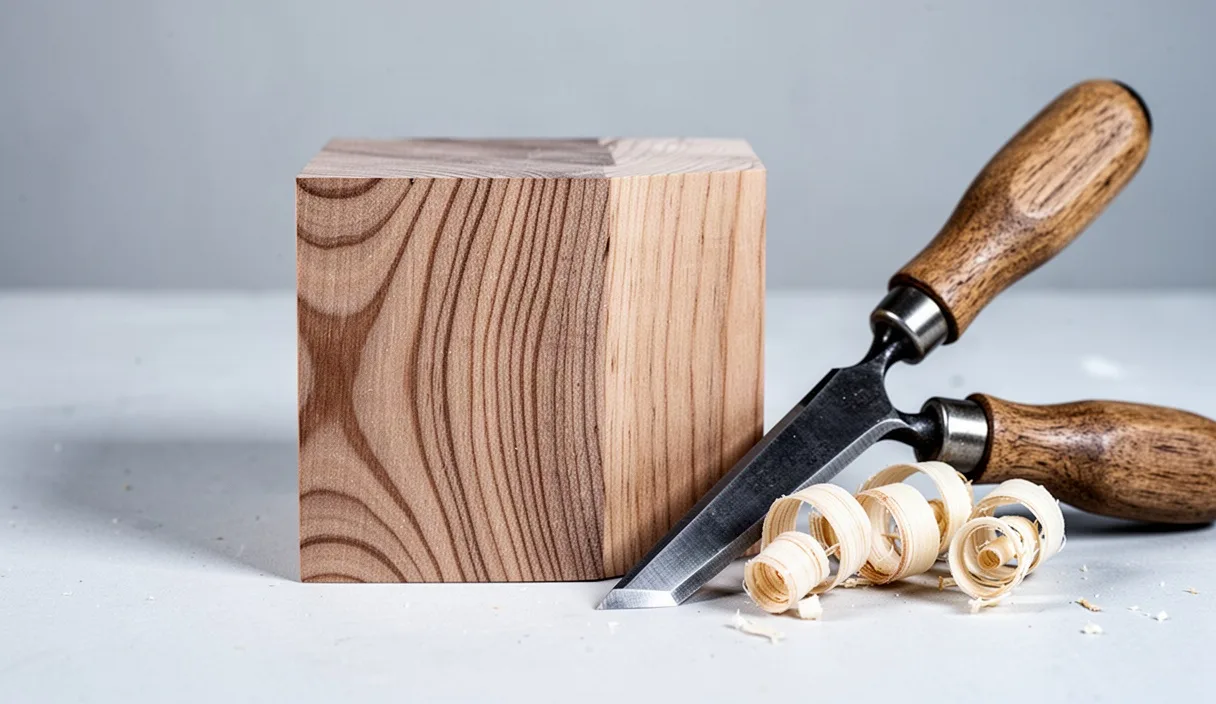
Understand why cutting against the grain tears fibers instead of slicing them clean. Learn to read grain direction on edge, face, and end cuts.
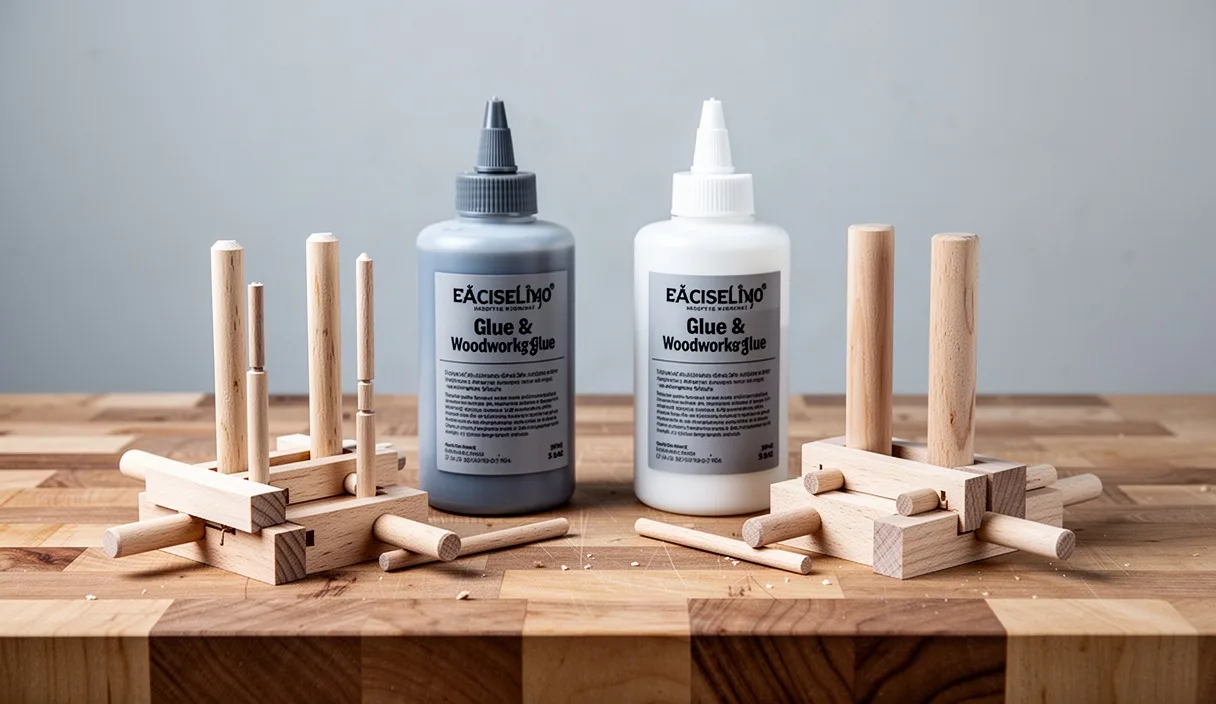
Compare yellow carpenter glue and liquid hide glue for open working time and reversibility. Decide which adhesive suits your project needs.
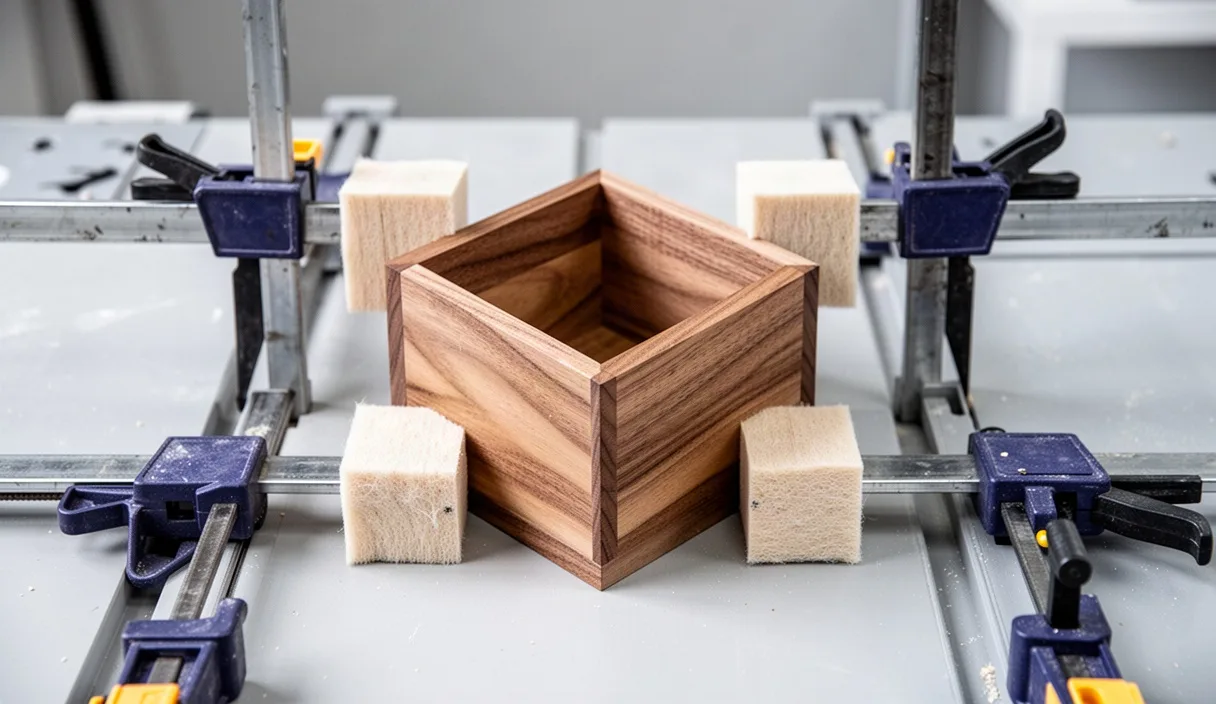
Master even clamping pressure without crushing soft lumber edges or skewing right angles. Learn how sacrificial blocks preserve fine surfaces.
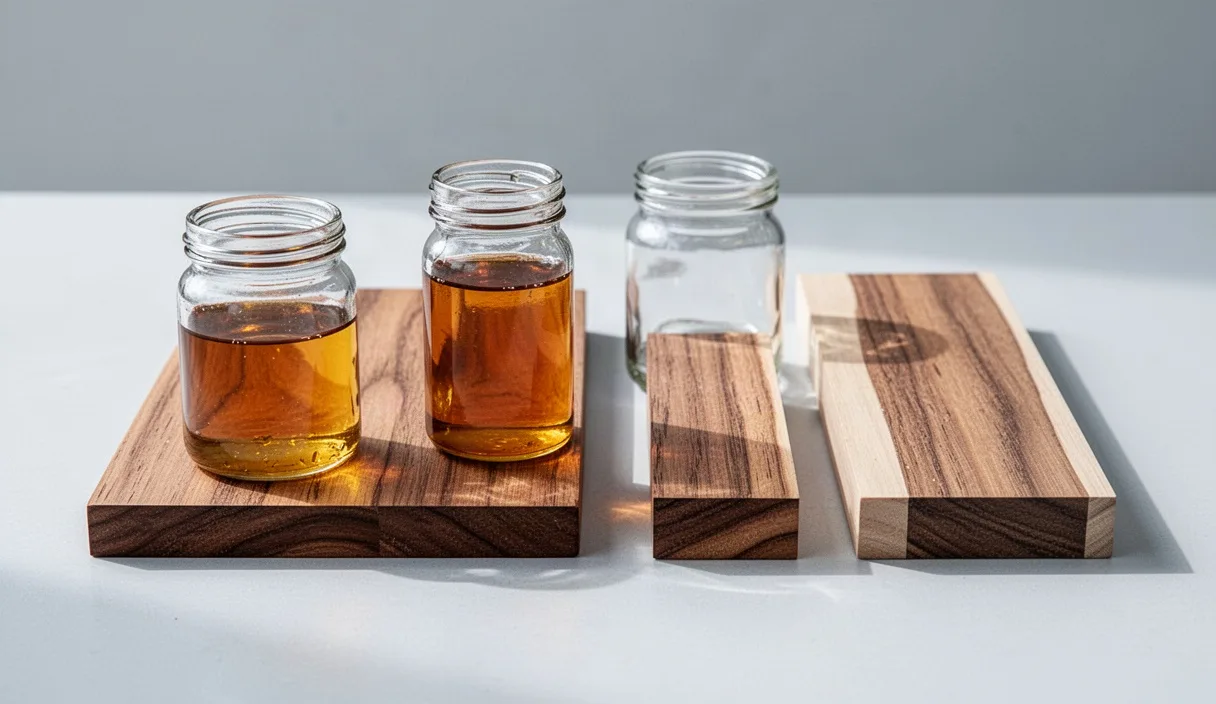
Examine drying oils and non-drying oils to choose the proper finish for boards or furniture. Learn the safety rules for curing finishes.
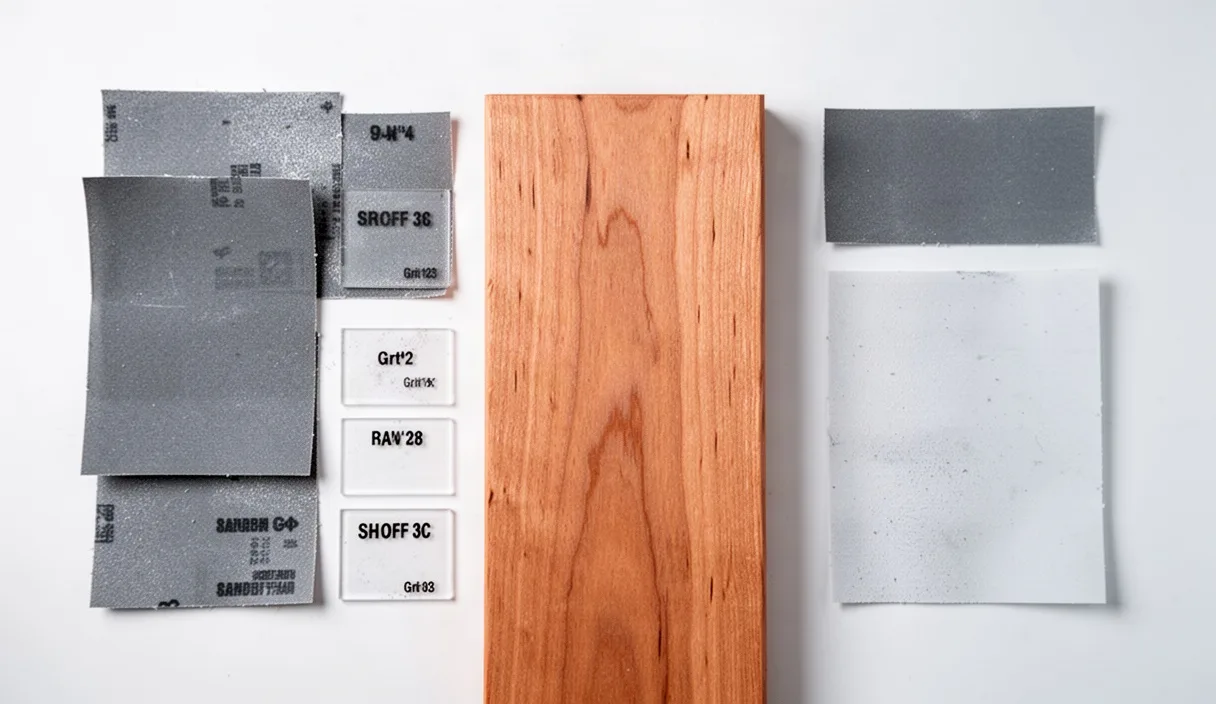
Understand the numbering system behind abrasive sheets and why skipping grits causes visible scratches. Follow an efficient sanding sequence.
Techniques for carving, timber grain anatomy, and hand-shaping raw lumber.
Compare blade geometries and handle ergonomics for comfort during long carving sessions. Find out why short blades offer more safety and control.
Understand why cutting against the grain tears fibers instead of slicing them clean. Learn to read grain direction on edge, face, and end cuts.
Understanding adhesives, mechanical joints, and balanced clamping pressure.
Compare yellow carpenter glue and liquid hide glue for open working time and reversibility. Decide which adhesive suits your project needs.
Master even clamping pressure without crushing soft lumber edges or skewing right angles. Learn how sacrificial blocks preserve fine surfaces.
If a joint does not slide together smoothly with light thumb pressure, the design is not ready for the table. We check every millimeter.
 Julian VanceHead of Workshop QA and Timber Sourcing
We use FSC certified birch plywood. Why birch? Ordinary hobby kits often use cheap MDF or balsa wood, which chips easily. Birch has cross-layered veneers that remain flat, take woodworking glue reliably, and resist surface splitting.
Each timber component is strapped flat against a rigid backing board and wrapped in corrugated paper. Orders placed before our daily cut-off at 12:30 on business days are prepared for dispatch that same afternoon.
We accept returns within 30 days from delivery for unused items in their original packaging. Simply contact our support desk with your details, and we will guide you through returning the parcel.
We keep transactions straightforward. We accept payment through direct bank transfer and cash on delivery upon parcel arrival. We do not use card processors or online credit lines.
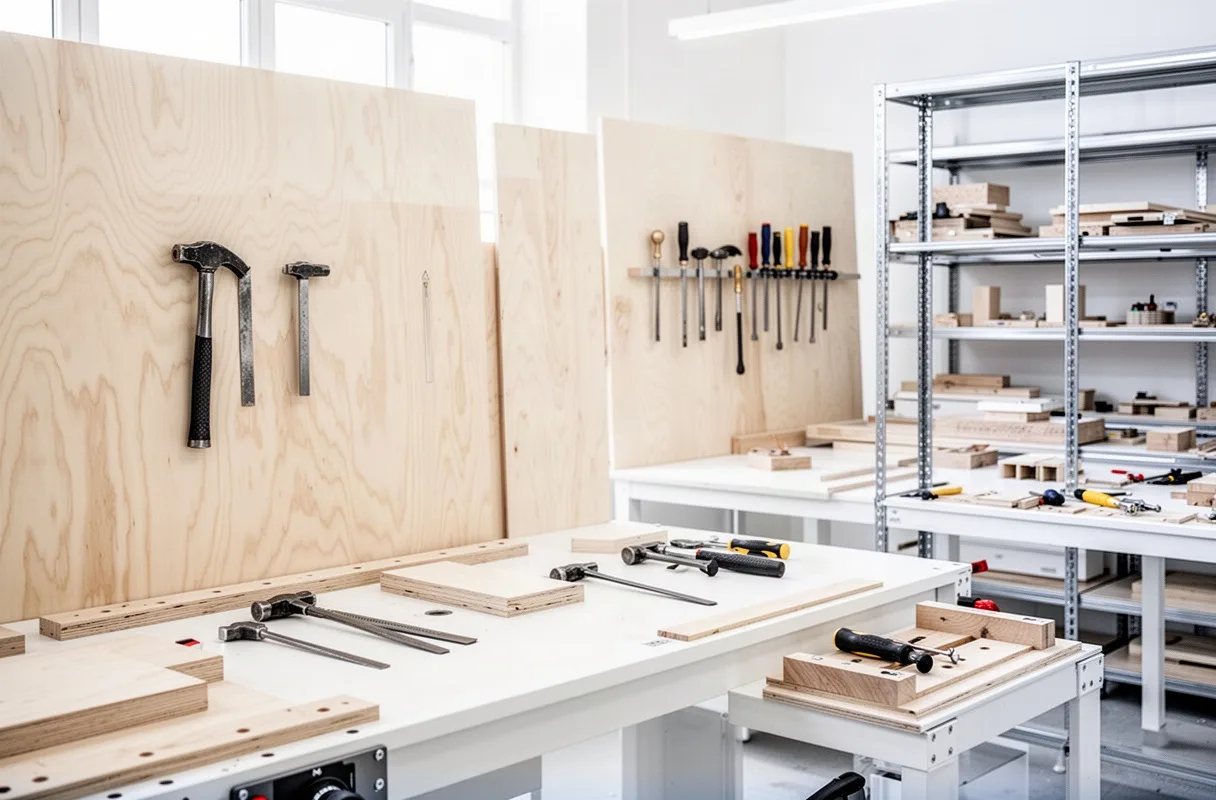
We are woodworkers and craft educators writing for hobbyists who want to understand their materials. Every article is built on physical workbench testing and explains why wood behaves the way it does. We test measurements, finishes, and cut angles to ensure your projects turn out durable and square.
About usShare your project questions, suggest a material comparison, or let us know about a tool you want examined. We welcome thoughtful notes from fellow makers.
Working hours: Mon-Fri 08:45-18:15, Sat 09:30-14:30
Expected response time: We respond within one business day